Nelson Mandela & the Glasgow Connection
Key Moments from the Life of Mandela
-
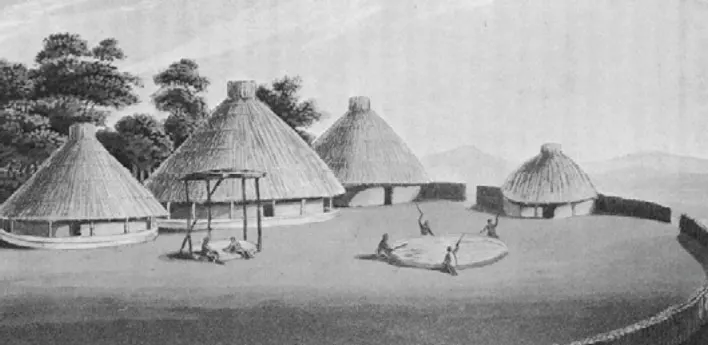
1918
Born in Mvezo.
Nelson Rolihlahla Mandela was born on 18th July, 1918 in Mvezo in rural Transkei, son of a hereditary chief. -
1944
African National Congress Youth League formed
(ANC was founded in 1912). Mandela was elected as one of its leaders.
-
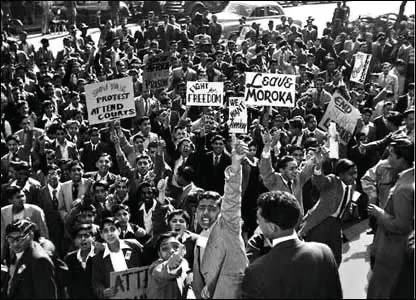
1952
Defiance Campaign.
In 1948 the National Party was swept into power by the white electorate (black people did not have the vote) on a platform of building racial separation and white supremacy into every aspect of law and life through the new doctrine of “apartheid” i.e. separateness. In 1952 the ANC responded to new legislation with the mass Campaign for the Defiance of Unjust Laws. Mandela was Volunteer-in-Chief. -
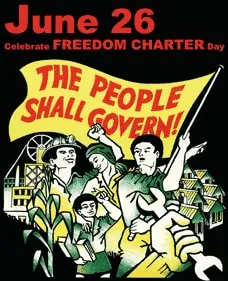
1955
Adoption of Freedom Charter.
ANC drew up a statement of its vision for a new, free and non-racial South Africa following thousands of meetings throughout the country and on 26th June, 1955 at the Congress of the People, the Freedom Charter was adopted.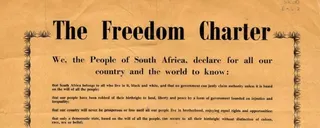
-
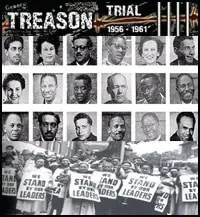
1956–60
Treason Trial.
In a clamp-down on this resistance, Mandela and 155 other leading figures in the liberation struggle were arrested and charged with High Treason, using as part of its evidence the Freedom Charter. The Treason Trial lasted four years when all defendants were acquitted. One of the trial's aims was to occupy the leaders and put them out of action. However, by bringing leaders together from across the racial divide it welded them closely together. -
1960
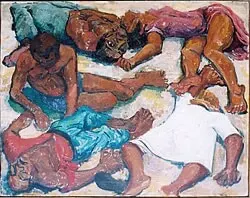
Sharpeville.
On 21st March 1960 at Sharpeville township near Johannesburg a large and peaceful crowd gathered at the police station to protest against the Pass Laws. The police opened fire without warning, killing 69 people and wounding hundreds more. The world was outraged. -
1961
Launch of the Armed Struggle.
The Sharpeville Massacre was a turning point in the liberation struggle. ANC finally came to decide that after 50 years of non-violence since the ANC's founding in 1912, limited armed opposition had become essential. -
1962
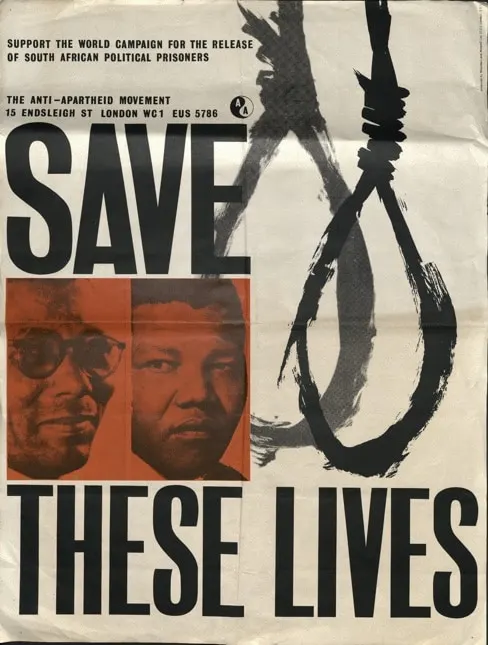
Mandela arrested.
In August 1962 Mandela was arrested after a secret visit abroad. He was convicted of incitement to strike and leaving the country illegally, and in November that year he was sentenced to five years in prison but, in the event, it was to be more than 27 years before he was released. -
1963–64
Rivonia Trial.
In July 1963 many of the other key leadership figures in the struggle were arrested at their secret headquarters at Liliesleaf Farm at Rivonia, near Johannesburg. With Mandela they were put on trial (the “Rivonia Trial”) for sabotage, and on 11th June 1964 Mandela and 7 others were sentenced to life imprisonment. -
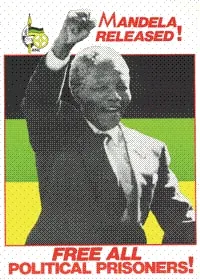
1990
Nelson Mandela released after more than 27 years in Prison (1990).
Internal and external pressure finally forced the apartheid authorities to release Mandela, and on 11th February, 1990 Mandela walked free from Victor Verster prison, to a tumultuous welcome.After his release Mandela made clear in his early speeches that his vision expressed at his trial so many years before was still what inspired and motivated him.
-
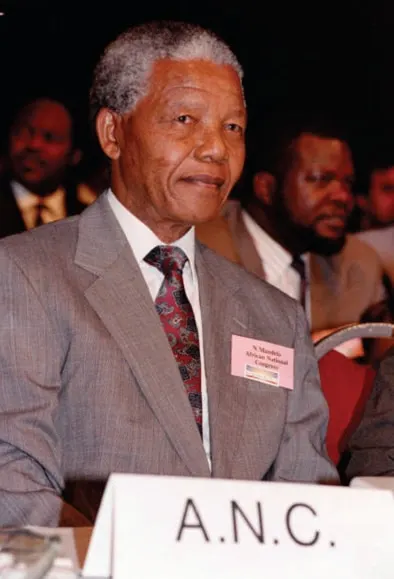
Photo by South Photography/Gallo 1994
Mandela elected as President of South Africa (1994).
On 27 April 1994 the first democratic elections in South African history. ANC were elected with an overwhelming majority. On 10 May 1994 Nelson Mandela was inaugurated as President.Nelson Mandela as President believed that vengefulness and bitterness were purely destructive, and that forgiveness and reconciliation were the only way forward for South Africa.
-
2013
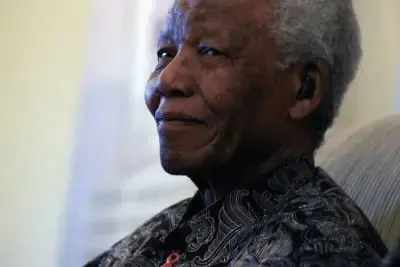
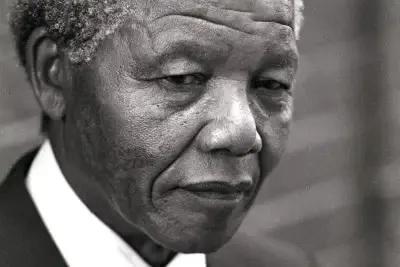
Death of Mandela.
At the end of his five year Presidential term in 1999, Mandela announced that he would retire and pass the baton to the next generation. ANC were elected with a majority and Thabo Mbeki became President.After a busy retirement undertaking many causes, Nelson Mandela died on 5th December 2013, at the age of 95.
Nelson Mandela and Glasgow – Free Mandela Campaign
-
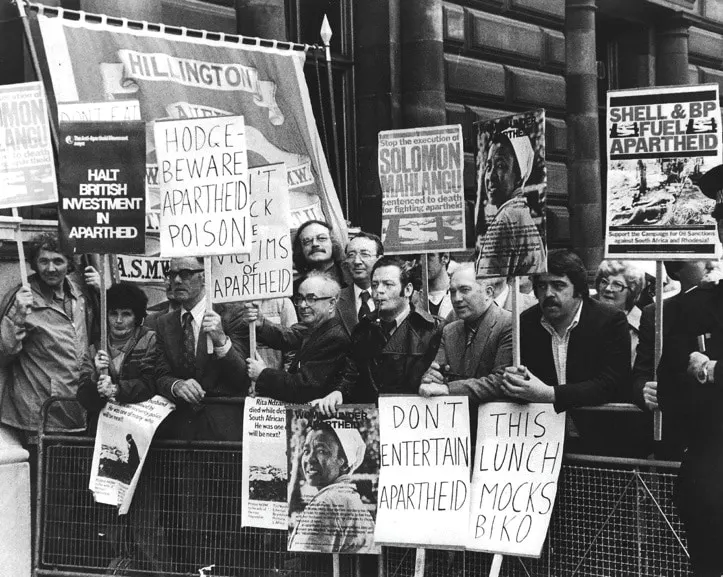
1978
Anti-Apartheid Movement (AAM) Scottish Committee. Picket at City Chambers of Lord Provost David Hodge's lunch with Apartheid South African Ambassador when Nelson Mandela was still incarcerated on Robben Island.
-
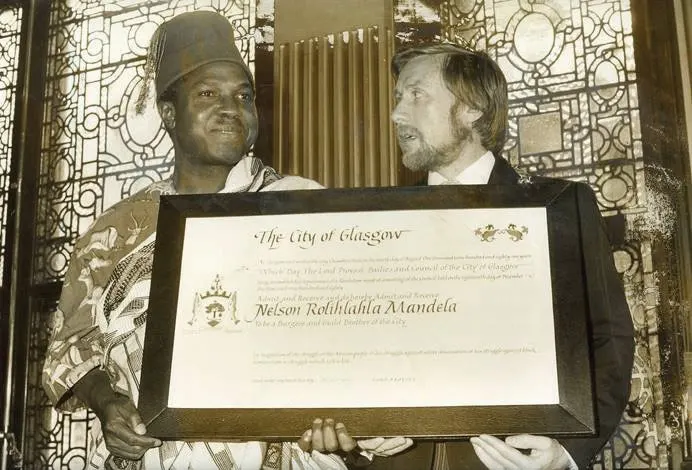
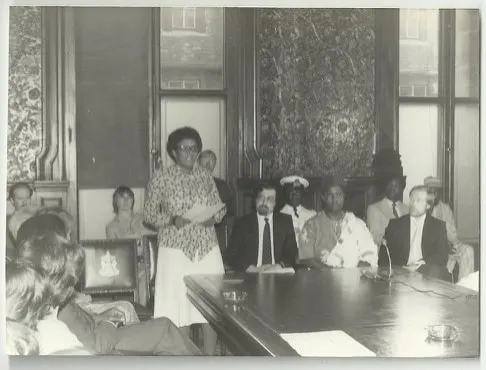
1981
4 August – Glasgow awarded Nelson Mandela the Freedom of the City while he was imprisoned on Robben Island. Following the ceremony, the Anti-Apartheid Movement Scottish Committee met in the City Chambers with representatives including Ruth Mompati (ANC), Alex Ekwueme (Nigeria's Vice-President), Brian Filling and Lord Provost Michael Kelly.
December – Lord Provost Michael Kelly launched the worldwide Mayors' Declaration for Mandela's release at the United Nations in New York. The petition was signed by 2,264 mayors from 56 countries.
-
1984
The AAM Scottish Committee organised a deputation, led by Lord Provost Robert Gray, of Lord Provosts and Lord Mayors from all over Britain to No. 10 Downing St. calling for the release of Nelson Mandela.
-
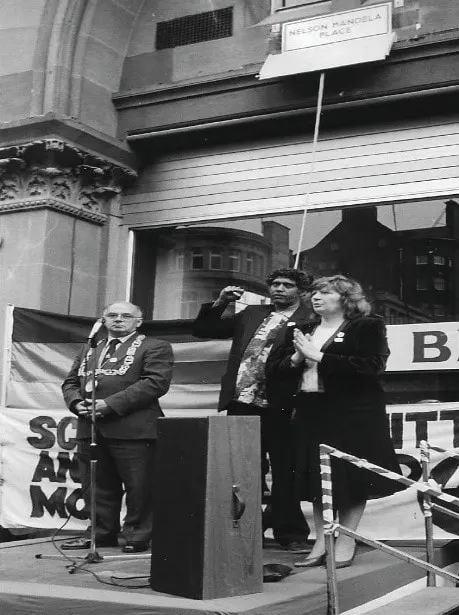
1986
16 June – St. George's Place, Glasgow, re-named Nelson Mandela Place. Essop Pahad of ANC unveiled the new name of the street.
-
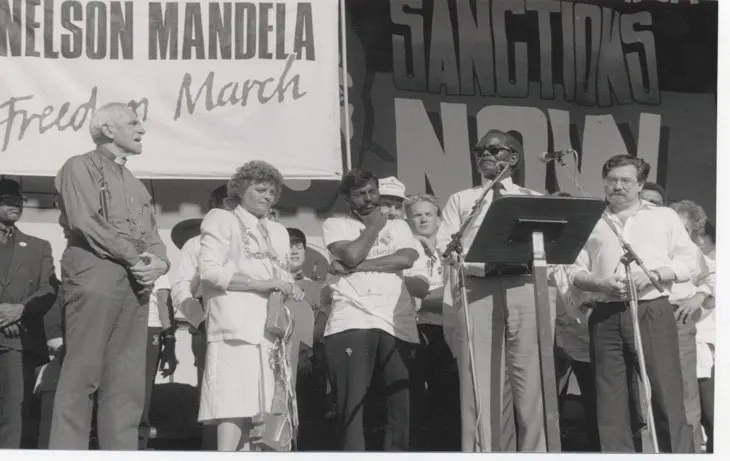
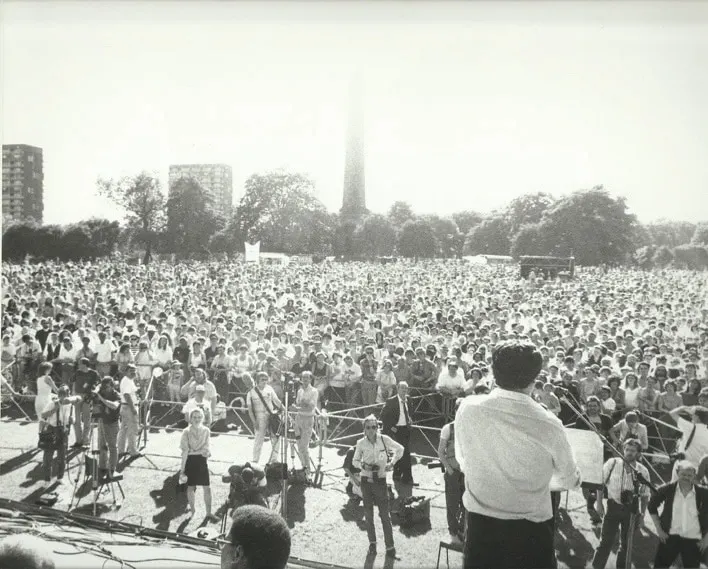
1988
12 June – Demonstration from Kelvingrove Park passed through Nelson Mandela Place culminating in a rally of 30,000 in Glasgow Green.
Pic (l to r) Archbishop Trevor Huddleston; Lord Provost Susan Baird; Indres Naidoo, ANC; Oliver Tambo, ANC President; Brian Filling, Chair, AAM Scottish Committee.
Brian Filling addresses the crowd in Glasgow Green.
-
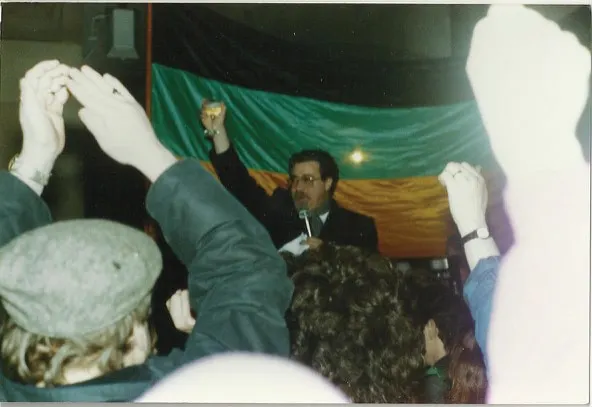
1990
11 February – Brian Filling, AAM Scottish Chair, toasts the release of Nelson Mandela, outside Apartheid South African Consulate, Nelson Mandela Place.
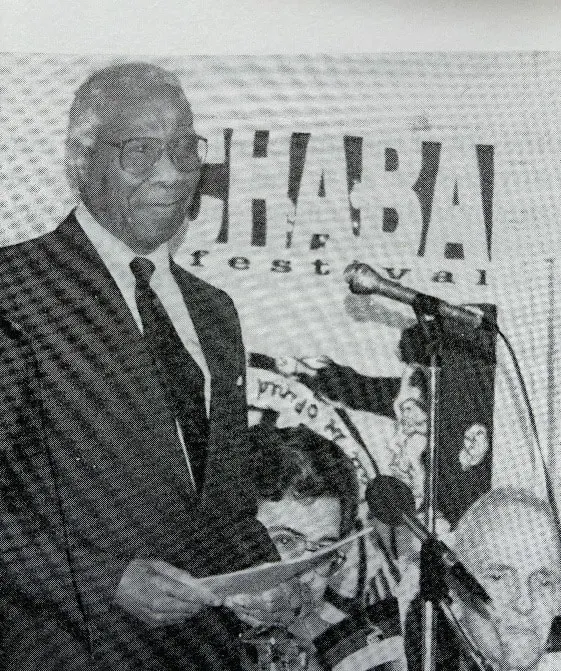
September – Sechaba International Conference and Festival: cultural resistance to apartheid. Govan Mbeki, fellow Rivonia trialist with Mandela, who spent 25 years in prison, delivered the keynote speech which opened the conference.
-
1993
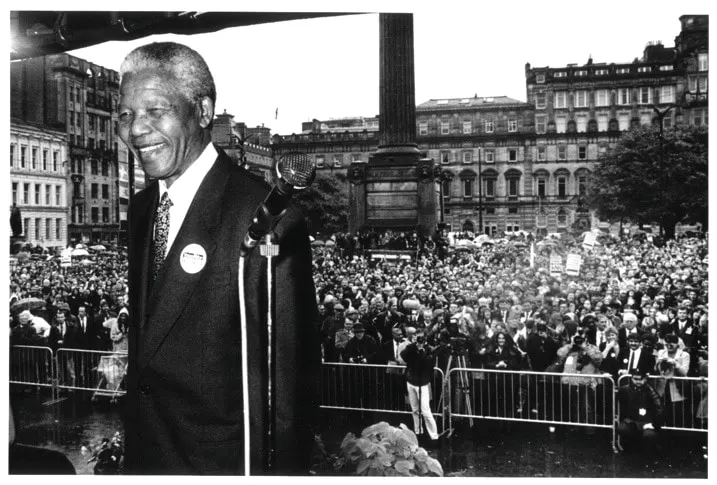
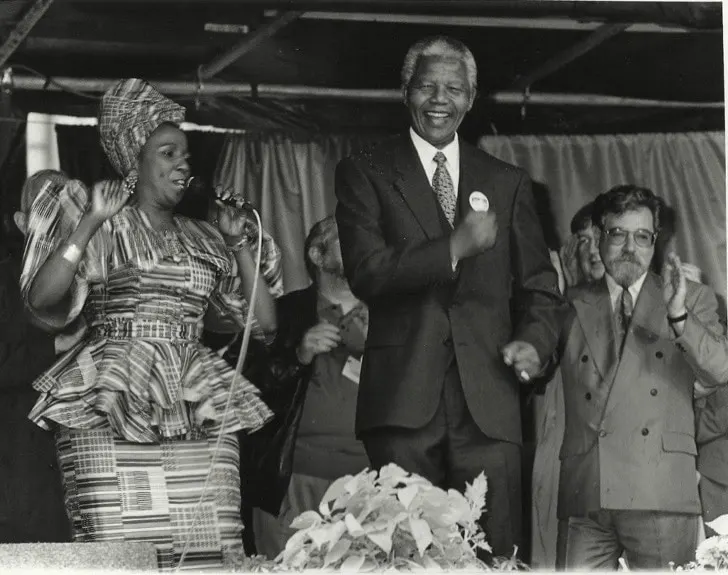
9 October – Nelson Mandela visited Glasgow to personally receive the Freedom of the City and that of eight other UK cities. He spoke at a rally in George Square.
Nelson Mandela dancing with Marah Louw, South African singer.
-
1994
April – Glasgow City Chambers was used as a polling booth for the first democratic election in South Africa.
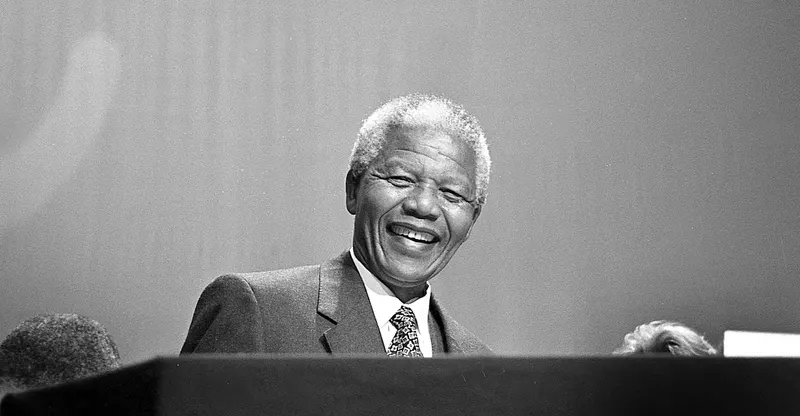
10 May – Inauguration of Nelson Mandela as President. Celebration in City Chambers. Brian Filling, Scottish AAM Chair, was a guest at the Presidential inauguration of Nelson Mandela in Pretoria, South Africa.
-
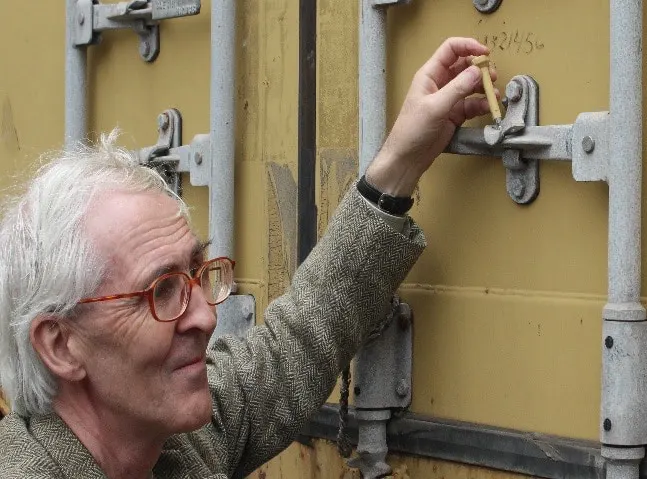
2008
18 July – Container of books sent to South Africa for Mandela's 90th birthday. A total of 500,000 books were sent from Scotland to Eastern Cape following the end of apartheid. ACTSA Scotland Secretary John Nelson organised the Book Appeal.
-
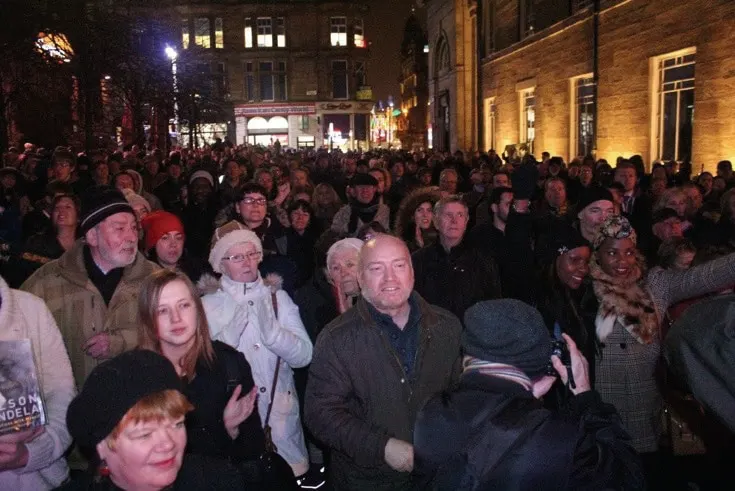
2013
6 December – Gathering in Nelson Mandela Place to mourn the death of Nelson Mandela and celebrate his life of struggle.
-
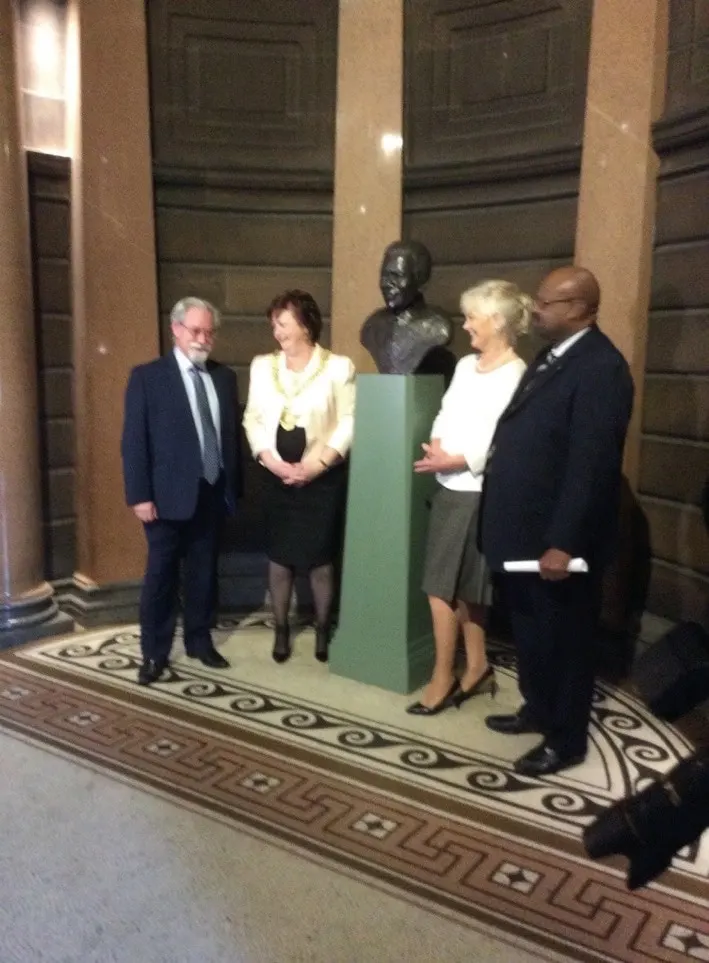
2014
9 October – Bust of Nelson Mandela unveiled in City Chambers.
(l to r) Brian Filling, Lord Provost Sadie Docherty, Sculptor Deirdre Nicholls, High Commissioner Obed Mlaba.